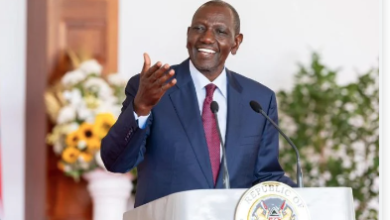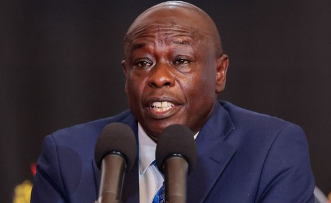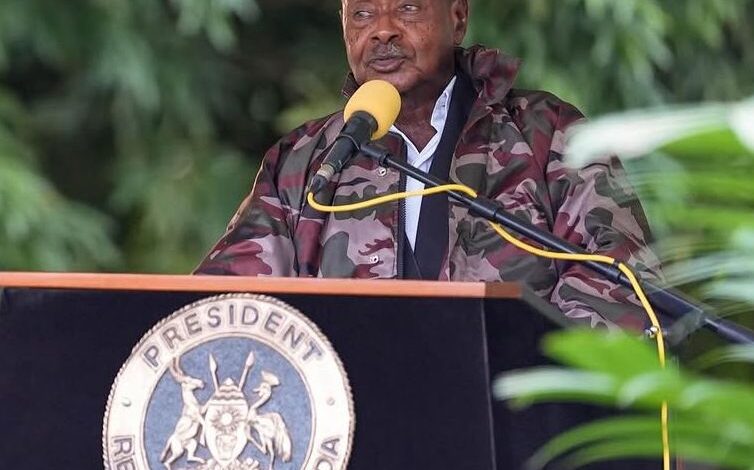
East Africa is watching closely.
A bold proposal is quietly gaining momentum in Uganda, one that could reshape the country’s political future for decades.
At the centre of it all? A plan to extend the tenure of both the president and parliament from 5 years to 7 years.
According to Norbert Mao, the idea is currently under review as part of a wider constitutional reform process led by the Uganda Law Reform Commission.
If passed, this would mean:
- Fewer elections over time
- Longer stays in power for elected leaders
- A major shift in how democracy is practiced in Uganda
Why Extend the Term?
Supporters of the proposal are likely to argue that the following are true:
- Longer terms allow leaders to fully implement development agendas
- It reduces the cost and frequency of elections
- It could bring more political stability
On paper, it sounds strategic.
But politics is never just about paper.
Critics are already raising eyebrows and for good reason.
Extending term limits can:
- Reduce accountability to voters
- Delay the public’s ability to vote leaders out
- Open doors to power consolidation
And in a region where constitutional changes often carry heavy political weight, this move is being watched with serious caution.
Across Africa, debates around term limits and constitutional amendments are nothing new.
But each time they come up, they raise one critical question:
Is this about development or staying in power longer?
For Uganda, this proposal could:
- Redefine its democratic timeline
- Influence political dynamics ahead of future elections
- Spark regional conversations, especially in neighboring countries like Kenya
What This Means for the People
At the end of the day, this isn’t just about politicians.
It’s about:
- How often citizens get to choose their leaders
- How power is checked and balanced
- The future of democratic participation
Because extending a term doesn’t just add years; it changes the rhythm of a nation’s voice.
Final Word
As Uganda weighs this major constitutional shift, one thing is clear:
This is bigger than a policy change.
It’s a test of democracy, governance, and public trust.
And depending on how it unfolds, it could either strengthen the system…or stretch it to its limits.