Kenya is once again standing at a crossroads, and this time, the clock is ticking.
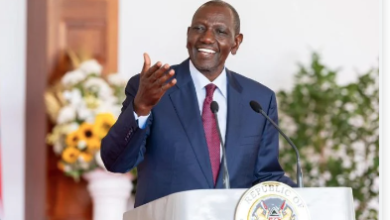
A coalition of activists and voices of dissent has issued a sharp seven-day ultimatum to President William Ruto, demanding immediate relief from what they describe as suffocating fuel policies. At the centre of the storm: the 16% VAT on fuel, the controversial fuel levy, and the government-to-government (G2G) fuel import deal.
For millions of Kenyans, this isn’t policy debate; it’s survival.
The Breaking Point
From skyrocketing matatu fares to the rising cost of basic goods, the ripple effects of fuel prices are being felt in every corner of the country. What starts at the pump ends up on the dinner table or, increasingly, keeps food off it.
Small business owners are tightening margins. Commuters are digging deeper into already stretched pockets. Hustlers are feeling the squeeze like never before.
And now, the patience is wearing thin.
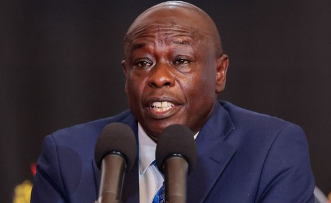
We gave 7 days for Ruto to consider removing 16pc VAT, scrapping fuel levy and removing G2G. It’s possible that the only remaining recourse for the people of Kenya is to take to the streets, but we will have that conversation and communicate to the people of Kenya.
RIGATHI GACHAGUA(former dp of Kenya)
That “next course” may not be quiet.
A Nation on Edge
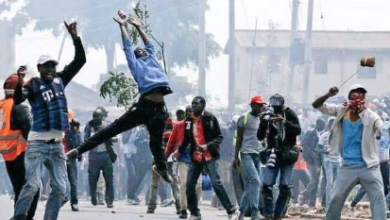
The possibility of protests is no longer a distant threat; it’s on the table.
“It’s possible that the only remaining recourse for the people of Kenya is to take to the streets,” the statement warned, hinting at a return to mass action that has, in the past, forced government response.
Kenya has seen this before. When economic frustration meets organised resistance, the streets become more than just roads; they become platforms for power.
But protests come with risks: disruption, confrontation, and uncertainty. Still, for many, the question is no longer if action should be taken but what kind.
Silence or Strategy?
So far, State House has remained measured, if not quiet, on the ultimatum.
Will the government blink under pressure? Or will it hold the line, betting that public outrage will cool before it ignites?
The next few days will be critical.
Because this isn’t just about fuel; it’s about trust, leadership, and whether the voices outside the corridors of power are being heard.
The Bigger Picture
This moment reflects a deeper tension in Kenya’s economic story: balancing revenue generation with the everyday realities of citizens.
As global fuel prices fluctuate and domestic policies tighten, the burden often lands hardest on those with the least cushion.
And when that burden becomes unbearable, history shows one thing clearly—people push back.
What Happens Next?
All eyes are now on the seven-day countdown.
Will there be policy shifts? Dialogue? Or a call to action that brings thousands into the streets?
One thing is certain: Kenya is not indifferent. The conversation is alive, the pressure is real, and the outcome could shape the country’s political and economic trajectory in the weeks ahead.