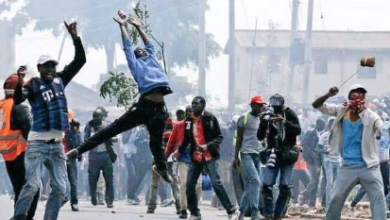
As Nairobi prepares for a fresh wave of protests over rising fuel prices, the government has responded with a clear message: law and order will be enforced.
Issa Mohamud, the Nairobi Regional Police Commander, has warned that security agencies will not tolerate unlawful demonstrations in the country.
His statement comes just hours before activists, opposition leaders, and Gen Z groups take to the streets on Tuesday, April 21, 2026, in protest against the soaring cost of living.
With emotions already running high, the warning signals a potential confrontation between protesters and law enforcement.
Authorities insist that while the right to protest is recognised, any demonstrations must remain within the law, hinting at possible crackdowns if crowds turn disruptive.
But on the ground, the mood is defiant.
Organisers say the demonstrations will go on as planned, framing them as a necessary stand against economic pressure that continues to squeeze ordinary Kenyans.
A City on Edge
The timing couldn’t be more sensitive.
With calls for mass action gaining traction online and offline, Nairobi is shaping up to be the epicentre of a broader national conversation, one that blends economic frustration with political dissent.
Police presence is expected to be heightened across key hotspots in the city, as authorities move to contain any unrest before it escalates.
Rights vs. Order
At the heart of it all lies a familiar tension:
The right to protest vs. the need to maintain public order.
How that balance is handled in the coming hours could define not just the protests but public trust in both leadership and law enforcement.
The stage is set.
The streets are watching.