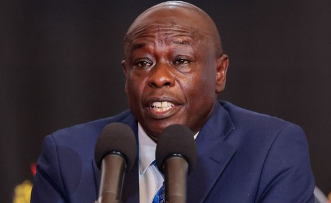
Ruto’s Presidency on a Fast Spending Lane: 3 Years Nearly Match 10 Years of Uhuru
A new report reveals that President William Ruto’s administration has already spent 94% of what Uhuru Kenyatta used in a decade raising fresh questions about priorities, efficiency, and the cost of power.
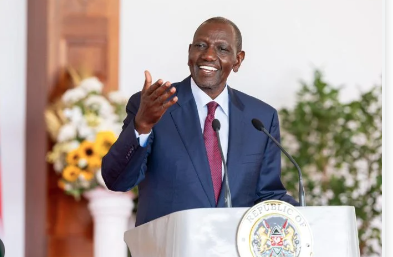
In a country where the cost of living is still the main topic of conversation at the kitchen table, a new report from the Controller of the Budget and the National Treasury has sparked a heated debate about government spending at the highest levels.
The numbers are very interesting.
President William Ruto’s administration has spent an unbelievable KSh89 billion on running the executive in just three years and seven months. That number is almost the same as the KSh90 billion that former President Uhuru Kenyatta spent over his entire 10-year term.
Take a moment to think about that.
Two Presidents’ Stories
Under Ruto’s leadership, a lot of money has been spent on important executive offices:
- KSh36.3 billion for the State House during Uhuru Kenyatta’s time in office; the KSh90 billion spending was spread out over ten years and included important tasks like:
- KSh26.64 billion for State House Affairs
- KSh11.6 billion for Cabinet Affairs
- KSh10.64 billion for Deputy President Services
- KSh4.84 billion for government advisory services
- KSh36.27 billion for recurrent and development costs
The current administration, on the other hand, has spent almost the same amount in less than half the time.
Where the Money Is Going
- KSh35.1 billion for the Office of the President
- KSh12.5 billion for the Office of the Deputy President
- KSh3.3 billion for the Office of the Prime Cabinet Secretary
- KSh900 million for the State Department of Parliamentary Affairs
- KSh700 million for Cabinet Affairs
The creation of new offices, especially the Prime Cabinet Secretary role, has added new layers to government spending, making it more expensive to run.
Optics vs. Reality
This news comes at a time when Kenyans are dealing with high taxes, rising fuel costs, and a weak economy. It’s hard to ignore the optics: as people cut back on spending, it seems like the cost of running the government is going up.
Critics say that the numbers show that the government is getting bigger and more expensive to run. Supporters, on the other hand, might argue that a bigger, more active government is needed to carry out ambitious plans for economic and social growth.
The Larger Issue
It’s not just about the numbers; it’s about what’s important.
Are the extra costs really helping regular Kenyans? Are these costs worth it because they lead to better service, more jobs, or more efficient use of resources?
Or is Kenya seeing a government that costs more to run without giving the people a fair return on their money?
One thing is clear as the debate heats up: every shilling spent at the top will continue to be looked at by the bottom in a time of economic stress.
And for a lot of Kenyans, the question is still simple: are we getting our money’s worth?