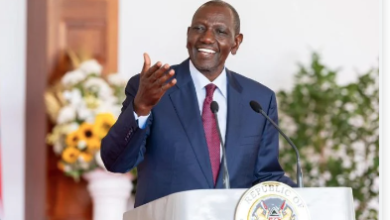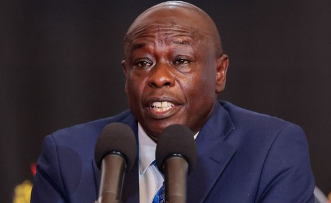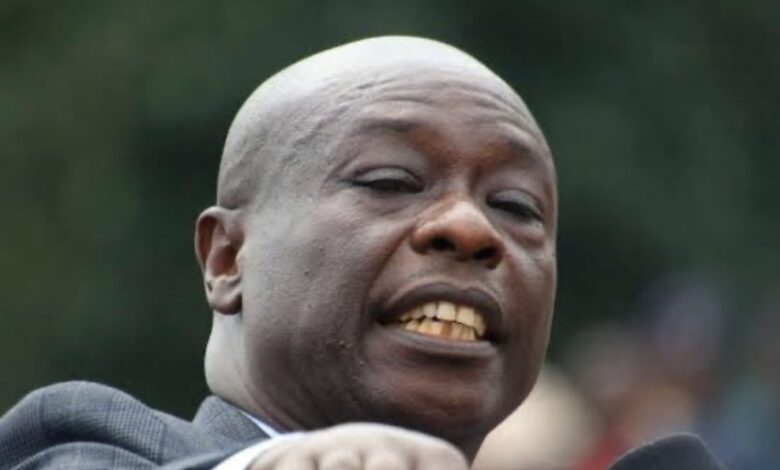
A statement attributed to Deputy President Rigathi Gachagua has sparked debate online after a video clip from a public rally began circulating on social media. The clip, shared widely by political blogs and media pages, shows Gachagua addressing a crowd while making remarks that appear to reference opposition leader Raila Odinga.
In the clip, the speaker is quoted saying that members of the Luo community should question why Raila Odinga allegedly traveled abroad on a private jet while alive but would be “flown back as cargo in a commercial plane” upon his death. The remark, which references ethnic identity and hypothetical funeral arrangements, quickly triggered reactions across social media platforms.
Many Kenyans online expressed concern about the tone of the statement, with some calling it disrespectful and unnecessarily provocative. Critics argued that political discourse should avoid ethnic targeting or comments about death, particularly in a country where political tensions have historically intersected with ethnic divisions.
Others, particularly supporters of the Deputy President, interpreted the remarks as political rhetoric meant to challenge opposition narratives and spark discussion about leadership and political loyalty.
In reality, when people die abroad, their bodies are commonly transported in the cargo hold of commercial aircraft during repatriation. Aviation regulations and logistical procedures typically require human remains to be transported this way unless a private charter flight is arranged. Because of this, some observers pointed out that the statement may misunderstand or oversimplify standard aviation practices.
Kenya’s political environment often features sharp rhetoric, especially during public rallies where leaders speak to large, enthusiastic crowds. Statements made in these settings frequently gain new life online once clips are shared widely.
Political analysts note that remarks referencing ethnicity can quickly inflame tensions and shift public discussion away from policy issues toward identity politics.
The spread of the video highlights the powerful role social media plays in Kenya’s political conversation. Short clips from rallies can quickly go viral, sometimes without full context, leading to heated debates among supporters and critics alike.
As the clip continues circulating, it has once again raised questions about responsible political messaging, the influence of digital platforms, and the importance of respectful dialogue in public leadership.