Bulldozers at Midnight: KeNHA Demolitions in Githurai and Roysambu Ignite Protests and Leave Traders Devastated
Hundreds of roadside stalls along Thika Superhighway were flattened as authorities reclaimed road reserves for new bus bays, sparking protests, traffic chaos, and fresh debate over the fate of Nairobi’s informal traders.
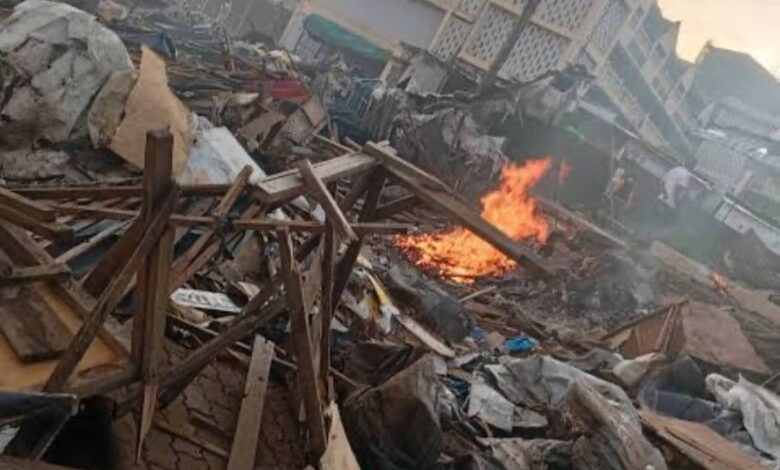
A wave of demolitions carried out by the Kenya National Highways Authority (KeNHA) has shaken traders and residents in Githurai and Roysambu after hundreds of roadside structures were flattened along the busy Thika Superhighway.
The operation, conducted between mid-February and early March 2026, targeted informal stalls and kiosks built on road reserves. Authorities say the move is part of a plan to modernize transport infrastructure by constructing organized bus parks and designated bus bays to ease congestion and improve road safety.
Githurai Protests Turn Chaotic
The first demolition phase began on February 18 in Githurai 45 after traders were issued a seven-day eviction notice on February 9.
What followed was a dramatic showdown.
Angry traders and residents took to the streets, lighting bonfires and blocking sections of Thika Road with burning tyres. The protests brought traffic to a halt as demonstrators clashed with police in running battles that stretched for hours.
Many traders claimed the notice period was too short, arguing they had no time to relocate their businesses or protect their goods.
Roysambu Demolitions Happen Overnight
Just weeks later, bulldozers returned, this time to Roysambu.
In a late-night operation on March 4–5, demolition crews moved into the area near the Roysambu Roundabout, flattening structures that had operated along the highway for years.
By dawn, entire rows of stalls had disappeared.
Several traders said they woke up to find their businesses reduced to rubble, claiming they lost goods worth thousands of shillings during the sudden operation.
Traders Count Heavy Losses
The crackdown has displaced hundreds of small-scale vendors who rely on roadside trade to survive.
Critics and local leaders say the situation is particularly difficult in Roysambu because the area lacks a designated open-air market. Without an alternative trading space, many vendors now face an uncertain future.
For some families, the demolished stalls represented their only source of daily income.
KeNHA Stands Firm
Despite the backlash, KeNHA insists the operation was both legal and necessary.
According to the authority, the structures had encroached on road reserves and contributed to dangerous congestion along Thika Road, an area that has recorded numerous traffic incidents over the years.
Officials say clearing the space will allow for safer public transport infrastructure, including organized bus bays that will reduce chaotic roadside pick-ups and drop-offs.
A Bigger Urban Question
The demolitions have reignited a long-standing debate in Nairobi about how to balance urban development with the survival of the informal economy that supports thousands of families.
For now, the bulldozers may have cleared the roadside markets of Githurai and Roysambu.
But for the traders who lost everything overnight, the real struggle is just beginning.